
How To Choose The Right Washer & Dryer For Your Family's Needs
Thu Sep 25 2025
- Laundry
Doing laundry doesn’t have to be a dreaded chore. Washing and drying all your family’s clothes, sheets, towels, and more is a big task, but choosing the right washer and dryer makes all the difference. The correct pair will save you time, reduce your utility bills, preserve your clothing, and make laundry days less overwhelming.
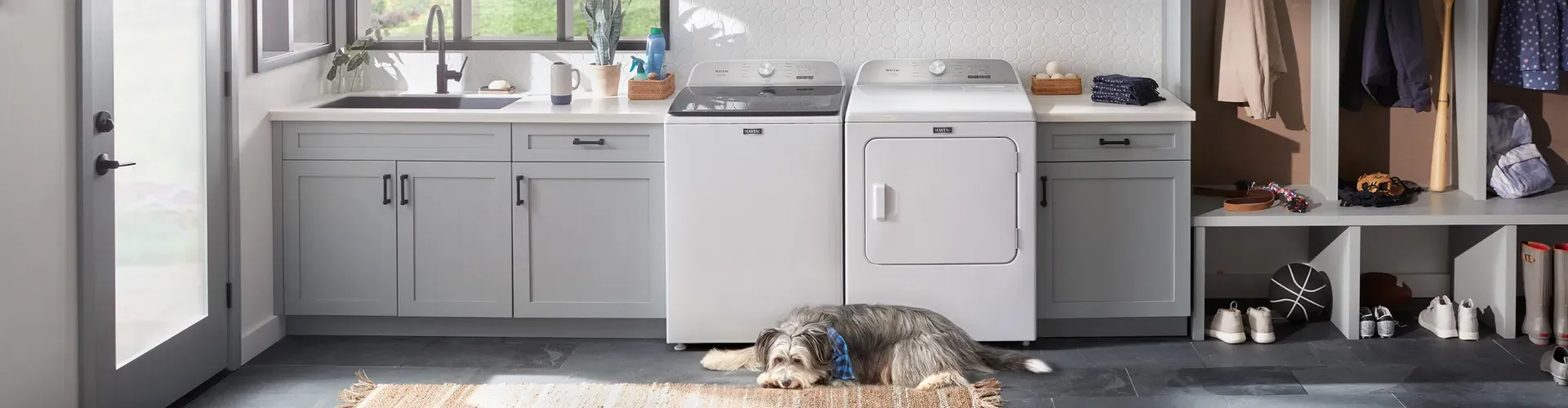
What to Consider First: Your Family’s Laundry Needs
Before shopping, ask yourself a few key questions that will shape what you need:
-
Household size & laundry volume: A family of five will generate many more loads per week than a single person, this affects capacity and cycle frequency.
-
Laundry frequency: Do you wash every day, every other day, or only weekly? More frequent use demands a machine that handles heavy loads without fatigue.
-
Fabric types & special needs: Heavy-duty items (work boots, sports gear), delicates (silks, wools), or frequent bedding and towels call for specific wash/dry settings.
-
Space availability: Laundry rooms vary. Do you have room for full-size side-by-side machines, or do you need stackable units or combos?
-
Energy usage and utility costs: Electricity, water, and gas costs add up. Selecting energy-efficient models can save significantly over time.
-
Budget & long-term value: Higher up-front cost for premium models can pay off over years through durability, fewer repairs, and better features.
The right washer and dryer will depend on the specific needs of you and your family, and developing a family laundry profile to better understand what you’ll need from your laundry appliances.

Washer Types: Top-Load vs Front-Load vs Combo
Your wash style influences your washer choice. It’s important to understand the different types of washers, including top load, front load, and stacked washer-dryer units. Here’s how the different washer types compare:
Top Load Washers
-
Traditional design: you load clothing from the top.
-
Often less expensive initially and simpler repair parts.
-
Some newer top-loads offer impellers instead of agitators, gentler on clothes and more water-efficient.
-
However, they typically use more water than front-load machines and can be less efficient with detergent usage, especially for delicate items.
Front Load Washers
-
Door is in the front; machines stack or sit side by side.
-
Tend to use less water and energy; better at extracting moisture, reducing drying time.
-
Gentle on clothes due to tumbling action; better cleaning for heavily soiled items.
-
Often more expensive, require more care in maintenance (e.g., keeping door seals clean to prevent mildew).
Washer-Dryer Combos & Stackable Units
-
Combos combine wash and dry cycles in one unit, helpful where space is tight.
-
Stackable sets put washer and dryer vertically, freeing floor space.
-
Consider ease of access. Stacked units may be harder to load/unload for some family members.
Dryer Types: Electric vs Gas
Dryer options differ, and matching the right type with your washer, space, and utility setup matters.
-
Electric Dryers: Most common and easier to install (just an electrical outlet needed). Modern electric models include moisture sensors and steam cycles.
-
Gas Dryers: Requires a gas hookup plus power. They heat up faster and often dry quicker, reducing energy use for frequent laundry.
It’s important to distinguish whether you would prefer an electric or gas dryer depending on your home layout and family laundry needs. Each dryer style offers benefits and features that can be leveraged towards making your home laundry routine simplified.
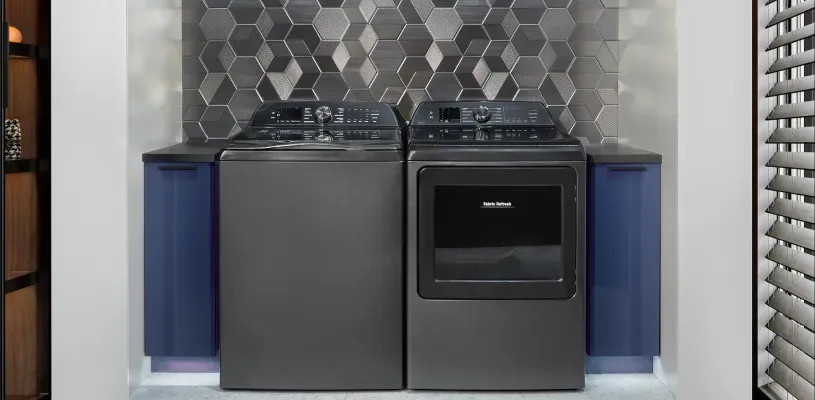
Matching Washer & Dryer Capacity, Size & Features
To get the best performance, make sure your washer and dryer are well matched.
Capacity
-
Washer capacity is often measured in cubic feet. A household of 3-5 people often needs a washer around 4.5-5.5 cu ft.
-
Dryer should at least match or slightly exceed washer capacity so loads move from wash to dry without having to split.
Size & Layout
-
Measure your space: width, depth, and height. Leave room for door opening, ventilation, and maintenance.
-
If space is limited, go for stackable or compact models. Ensure door swing clearance and access for loading/unloading.
Useful Features to Look For
-
Cycle options: Quick wash, steam, sanitize, delicates, heavy-duty, pick what matches your fabrics.
-
Spin speed / moisture sensors: A higher spin speed reduces water left in clothes, so drying time drops. Moisture sensors in dryers prevent overdrying.
-
Smart connectivity: Remote start, alerts (e.g. load done), energy usage tracking, useful for busy or remote households.
-
Noise levels: If washer/dryer sits near living areas, quieter machines (look for decibel ratings) are a big plus.
Long-Term Durability & Maintenance
-
Choose appliances from brands with a reputation for long life and easy parts/service in your area.
-
Check warranty terms, particularly for major components (motor, drum, heaters).
-
To maintain washers, clean detergent drawer, clean seals, occasionally run cleaning cycle. For dryers, clean lint trap every load and vent system periodically.
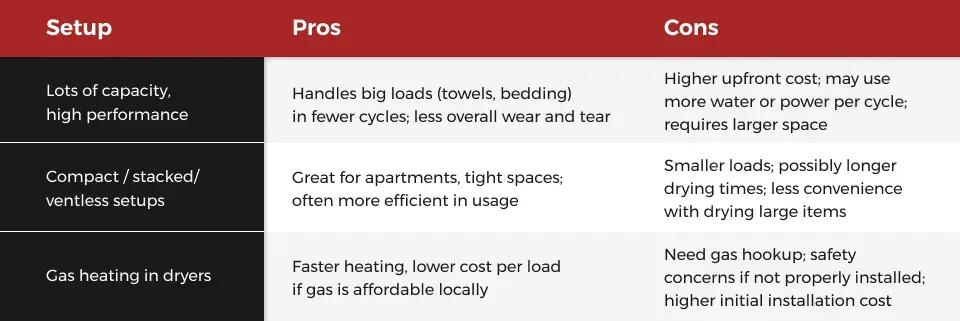
Pros & Cons: Different Washer/Dryer Setups
Every setup has trade-offs depending on your priorities. Here are what to expect:
Recommended Washer & Dryer Features for Families
For getting the best value and performance, these features tend to be especially helpful for families:
-
Large capacity front-or top-load washer with strong spin extraction.
-
Dryer with moisture sensor and multiple dryness levels so you don’t overdry or waste energy.
-
Quick wash & rinse cycles for those everyday messes, kids’ sports uniforms, pet bedding, food stains, etc.
-
Noise reduction if the laundry room is adjacent to living or sleeping areas.
-
Easy controls / intuitive navigation so everyone in the household can use them without confusion.
Balancing Budget vs Value
It’s tempting to go for the lowest price. But what “value” really means is cost over time, not just purchase price.
-
Mid-range machines tend to hit the sweet spot: good capacity, useful features (steam, sensors, etc.), and reliable durability.
-
Premium models offer bells and whistles, smart features, larger drums, specialized cycles, but assess whether you’ll use them enough to justify extra cost.
-
Also account for operating costs like water, electricity/gas, and maintenance.
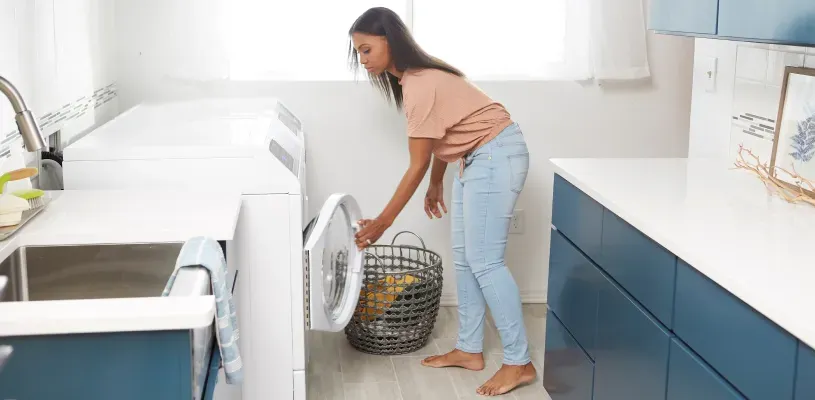
Discover Laundry Appliance Solutions for Your Family
Ready to upgrade your laundry appliances for your home and family? At Standard TV & Appliance, we help families find washer-dryer sets that fit their space, budget, and lifestyle, so every load runs smoother. We offer a wide selection of washer and dryer sets to match families of all sizes and needs, from stackable units to large capacity front-load pairs. Our sales experts can help you walk through differences in capacity, cycle offerings, and help you test machine noise in person.
Explore laundry appliance selections at one of our store locations in Beaverton, Bend, Wilsonville, or Portland, Oregon to discover our wide-ranging selection of refrigerators and diverse range of appliance brands.
Related readings from our blog:
FAQs: How to Choose the Right Washer and Dryer
What washer size do I need for a family of four?
A washer with about 4.5 to 5.5 cubic feet capacity paired with a matching dryer of similar capacity tends to handle the load well without needing to run multiple small loads.
Front-load vs top-load: which is better for stains?
Front-load washers often clean more deeply on tougher stains due to tumbling action and gentler agitation, but many top-load models now offer dedicated stain-lift cycles and powerful agitators that perform very well.
Is stackable laundry worth it in limited space?
Yes, stacked units are a great space-saving solution. Just make sure you have enough clearance for openings, the ventilation outlet, and maintenance access.
Do smart features add value or are they gimmicks?
Many smart features (remote start, notifications, cycle customization) can save time and prevent over-drying or forgotten laundry, but if you don’t use them, they might not be worth the extra cost.
How often should I clean and maintain washer and dryer units?
Clean the washer drum monthly (especially front-loads), clean dryer lint screen after every load, check vents annually, and inspect hoses or connections periodically to extend machine lifespan and maintain performance.
Related Articles