
Smart Refrigerators vs. Traditional: Should You Make the Switch?
Fri Jul 25 2025
- Refrigerators & Freezers
Choosing a new refrigerator can be exciting yet overwhelming, especially with the rise of smart appliances. Smart refrigerators come loaded with advanced features, but are they worth the investment compared to traditional models?
Let's explore the differences between smart refrigerators and traditional fridges so you can decide if a smart fridge is the right choice for your home.

What is a Smart Refrigerator?
Smart refrigerators are connected appliances equipped with advanced technology that helps streamline your kitchen routine. Common smart refrigerator features include Wi-Fi connectivity, internal cameras, touchscreen displays, and app integration.
These features allow you to monitor your food inventory, create grocery lists, and even stream your favorite shows all from your fridge door.
Benefits of Smart Refrigerators
Convenience at Your Fingertips
With smart refrigerator features like internal cameras, you can check your fridge's contents remotely, helping you avoid unnecessary grocery trips or forgotten items. Many models also allow you to adjust temperature settings remotely, ensuring optimal food storage conditions.
Better Food Management
Smart fridges help reduce food waste by keeping track of expiration dates and inventory. Built-in apps and voice assistants make meal planning and grocery shopping easier by creating organized shopping lists and suggesting recipes based on what you have on hand.
Entertainment and Connectivity
With touchscreen displays, your refrigerator can double as an entertainment hub. Stream music, watch cooking shows, check the weather, or even display family calendars, making it a central part of your daily routine.
Advantages of Traditional Refrigerators
Simplicity and Reliability
Traditional refrigerators offer straightforward functionality without complex technology. For those who prefer simple, easy-to-use appliances, traditional models remain a dependable choice.
Cost-Effective
Traditional refrigerators are generally more budget-friendly. If advanced technology isn't a priority, opting for a traditional fridge can save you money without compromising essential features.
Less Maintenance
With fewer technological components, traditional refrigerators typically require less maintenance and are easier and less costly to repair, ensuring long-term reliability and affordability.
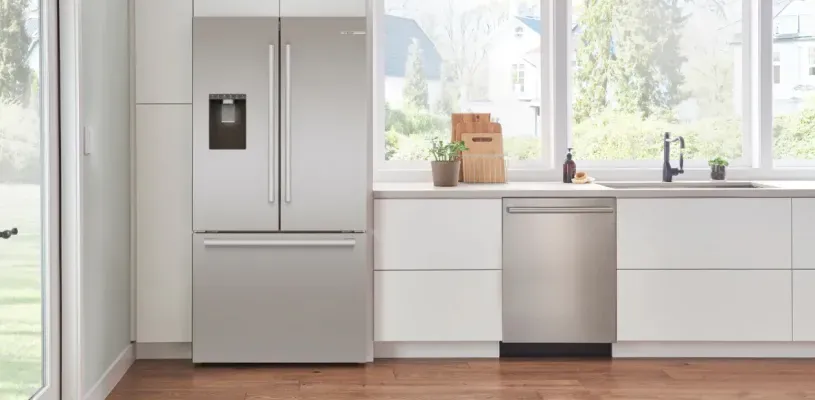
Factors to Consider Before Choosing
When deciding between a smart refrigerator and a traditional model, consider these key factors:
-
Budget: Determine how much you're willing to invest in your new appliance.
-
Lifestyle: Think about how the advanced features of a smart fridge align with your daily routine and cooking habits.
-
Tech Comfort Level: Evaluate your comfort with technology and whether you'll fully utilize smart refrigerator features.
-
Long-Term Value: Consider potential energy savings, reduced food waste, and overall convenience when assessing the value of smart fridge features.
Ultimately, the choice between a smart refrigerator and a traditional fridge comes down to personal preference and lifestyle needs. If you value convenience, advanced technology, and improved food management, a smart refrigerator could be an excellent investment. On the other hand, if simplicity, reliability, and cost-effectiveness are your priorities, a traditional refrigerator might be the best fit.
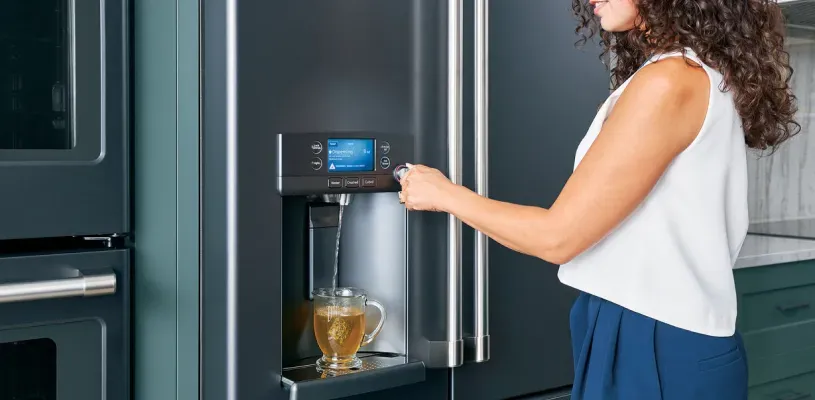
Unique Smart Refrigerator Features to Look For
If you decide a new smart fridge is the right choice for your home, here are some of the best features we know you will love.
-
Internal Cameras & Remote Viewing: Samsung Family Hub and Bosch Home Connect models include internal cameras that let you see what’s in your refrigerator right from your phone saving time and reducing food waste.
-
InstaView Door-in-Door: LG’s InstaView® lets you knock twice on the fridge door to illuminate the interior window, saving energy and keeping cold air inside.
-
Fridge Management Tools: Samsung, LG, and GE models provide built-in grocery lists, expiration tracking, timers, and meal planners, helping you reduce waste and stay organized.
-
Calendars & Family Messaging: Samsung’s Family Hub features a large touchscreen that displays shared calendars and allows household members to leave messages or reminders. Features like this are perfect for staying organized, especially for busy families.
-
Recipe Suggestions: Bosch Home Connect and Samsung smart refrigerators scan your food and suggest recipes based on what's inside. They'll even alert you when items are nearing expiration, streamlining meal planning.
-
Smart Home Integration: Many smart refrigerators integrate with popular smart home systems like Alexa, Google Assistant, and Matter. Adjust settings, monitor cameras, and access smart home controls from your fridge screen or voice assistant.
-
Temperature & Door Notifications: Get notified if doors are left open or the temperature fluctuates, protecting your food and saving energy.
-
Advanced Energy Monitoring: Brands like Bosch offer insights into energy usage so you can adjust settings for efficiency and even receive savings suggestions via connected apps.
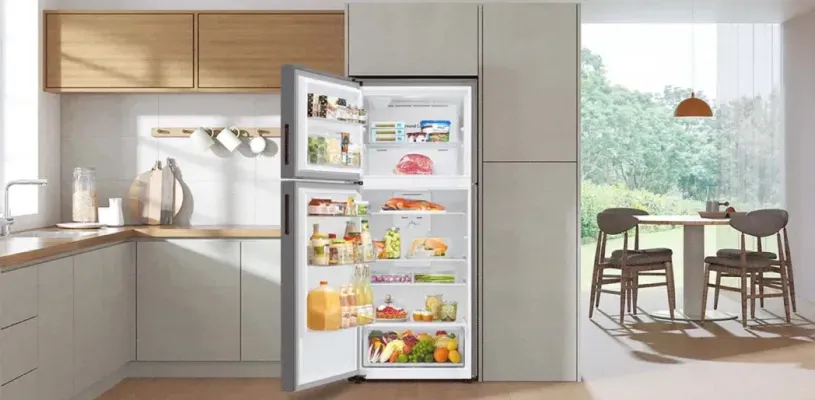
Shop New Refrigerators at Standard
Ready to explore your options? Visit our appliance store locations in Beaverton, Bend, and Portland, OR, today to see the latest smart refrigerators and traditional models in person. We proudly offer built-in refrigerators, bottom-freezer refrigerators, top-mount refrigerators, and more. We're here to help you find the perfect refrigerator for your home and lifestyle.
Related readings from our blog:
FAQs About Smart Refrigerators
1. What is the average lifespan of a smart refrigerator?
Smart refrigerators typically have a lifespan of 10-15 years, similar to traditional fridges.
2. Can smart refrigerators save energy?
Yes, smart refrigerators often include energy-saving features like door notifications and remote temperature control, helping reduce energy usage.
3. Are smart refrigerators difficult to maintain?
No, smart refrigerators often include self-diagnostic tools and alerts that simplify maintenance and reduce the risk of issues.
4. Do smart refrigerators require special setup?
Smart refrigerators require a Wi-Fi connection and initial setup through a mobile app, but the process is typically straightforward and user-friendly.
Related Articles