
How to Design an Energy-Efficient Home
Wed Feb 19 2025
Building or renovating a home is an exciting process, but if energy efficiency isn’t at the forefront of your design, you might end up with high utility bills and wasted resources. A well-designed, energy-efficient home reduces your carbon footprint and saves money in the long run.
Let’s explore how to design an energy-efficient home on a budget, incorporating energy-efficient appliances and smart strategies that make a real difference.
What Is the Most Energy-Efficient Home Design?
The most energy-efficient homes take a whole-house approach, meaning every element—appliances, insulation, windows, and lighting—works together to minimize energy waste.
Here are some of the most energy-efficient design examples used in modern homes:
-
Smart Appliances – Smart appliances let you optimize energy use by adjusting settings based on real-time conditions, such as load size, usage patterns, and peak energy hours, reducing overall consumption and improving efficiency.
-
Passive Solar Design – Maximizes natural light and heat from the sun to reduce reliance on artificial lighting and heating.
-
Compact, Simple Shapes – A square or rectangular home with minimal exterior features prevents heat loss and improves efficiency.
-
Net Zero Design – Aims to produce as much energy as it consumes, typically using solar panels and high-performance insulation.
How to Build an Energy-Efficient Home
Whether you're starting from scratch or updating an existing home, energy-efficient home ideas should focus on key elements that cut down waste. Here’s where to start:
1. Prioritize Energy-Efficient Appliances
Your home appliances account for a major portion of your energy use. When shopping for new appliances, look for the ENERGY STAR® label, which indicates the model meets high-efficiency standards.
-
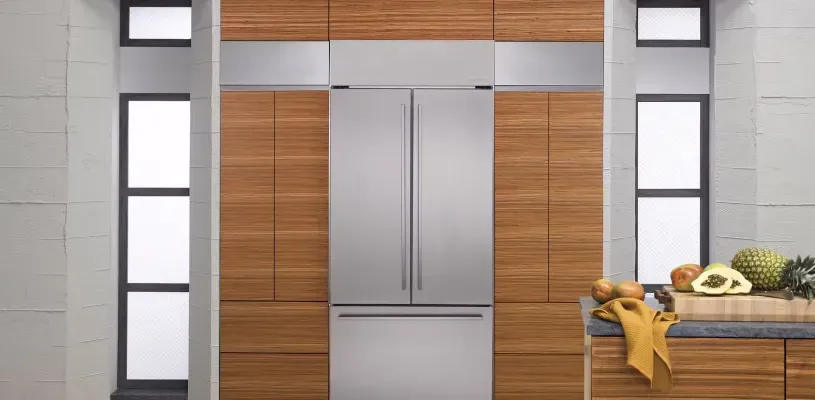
Refrigerators – Opt for energy-efficient refrigerators with smart cooling technology to regulate temperature efficiently. Features like adaptive defrost, inverter compressors, and dual evaporators help maintain optimal freshness while using less energy.
-
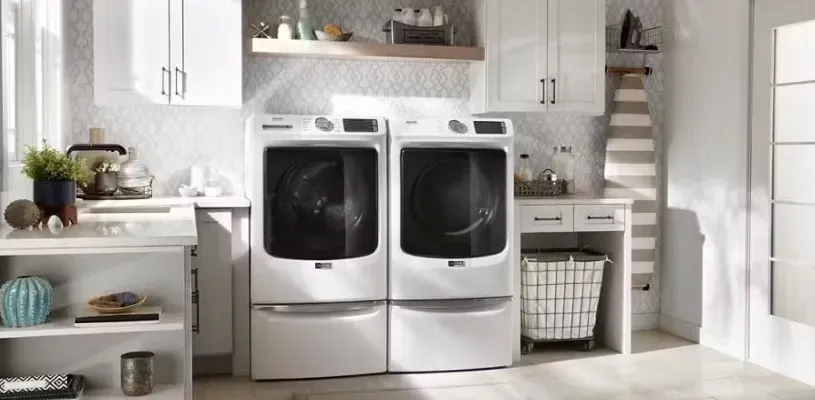
Washers & Dryers – Standard TV & Appliances offers high-quality, energy-efficient laundry appliances. For example, if you want to use less water and energy while doing your laundry, opt for front-load washers. These models are favored over traditional top-load washers because they use a tumbling motion rather than an agitator, requiring less water while achieving a more thorough clean.
-
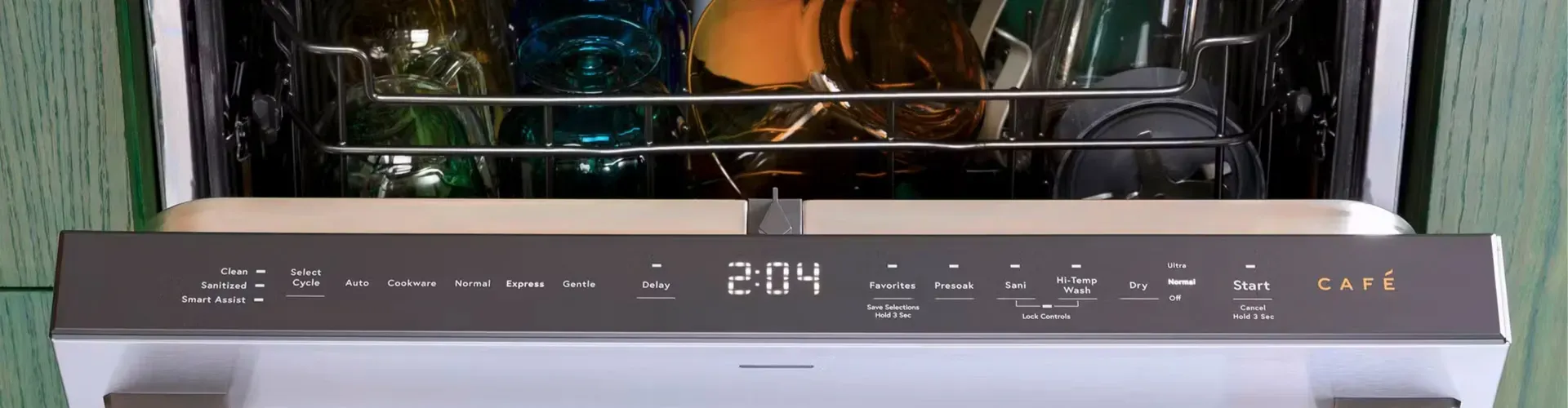
Dishwashers – Newer energy-efficient dishwasher models use targeted spray technology to clean dishes using less water. Many energy-efficient models also have soil sensors that adjust the wash cycle based on how dirty the dishes are, further reducing water and energy waste
2. Choose Insulation and Air Sealing Carefully
A well-insulated home holds onto heat in the winter and keeps it out in the summer, reducing reliance on HVAC systems. Focus on these areas:
-
Walls and attic spaces should have high R-value insulation.
-
Air sealing around windows and doors prevents drafts.
-
Consider spray foam or cellulose insulation for hard-to-reach areas.
Upgrading insulation is one of the most effective ways to build an energy-efficient home on a budget, as it delivers long-term savings on heating and cooling costs.
3. Choose High-Performance Windows and Doors
Windows have a massive role in energy efficiency. ENERGY STAR-rated windows with double or triple-pane glass and Low-E coatings dramatically reduce heat transfer. To improve efficiency even further:
-
Use insulated doors with weatherstripping to prevent leaks.
-
Add honeycomb blinds or thermal curtains for extra insulation.
-
Install overhangs or awnings to block summer heat while still allowing natural light.
At Standard TV & Appliance, you’ll find a variety of high-efficiency kitchen and laundry appliances designed to lower energy use without sacrificing performance.
4. Switch to LED Lighting
Lighting may not seem like a big energy drain, but traditional bulbs use more electricity than you think. Switching to LED bulbs can:
-
Use up to 80% less energy than incandescent bulbs.
-
Last 25 times longer, reducing waste.
-
Be paired with smart dimmers and motion sensors to avoid unnecessary energy use.
5. Consider Renewable Energy Sources
Integrating renewable energy is key if you're aiming for a net-zero home. Solar panels are the most popular choice, but you can also explore options like:
-
Solar water heaters – Reduce energy consumption for showers and laundry.
-
Geothermal heating and cooling – Uses stable underground temperatures for efficient climate control.
-
Wind energy – Ideal for homes in open, windy areas.
Our Favorite Energy-Efficient Appliances
Energy-efficient appliances are one of the most effective ways to reduce energy consumption. Here are a few standout picks available at Standard TV & Appliance:
1. Café™ CustomFit ENERGY STAR Stainless Interior Dishwasher
Model: CDT828P2VS1
Why We Love It:
-
Ultra Wash & Dry system ensures thorough cleaning with minimal water and energy use.
-
42 dBA operation for an ultra-quiet performance.
-
Stainless steel interior retains heat for better drying.
2. Maytag ENERGY STAR Front Load Washer & Maytag ENERGY STAR Electric Dryer Set
Washer Model: MHW5630HW
Dryer Model: MED5630HW
Why We Love It:
-
Extra Power button boosts stain-fighting performance with a dual-temperature wash.
-
12-Hr Fresh Spin™ option keeps clothes fresh by tumbling them periodically after the cycle ends.
-
Quick Dry cycle efficiently dries small loads in no time, reducing energy waste.
3. Monogram ENERGY STAR Counter-Depth French-Door Refrigerator
Model: ZWE23ESNSS
Why We Love It:
-
TwinChill™ evaporators for advanced temperature control.
-
Spill-proof glass shelves to reduce waste and make cleaning easier.
-
LED lighting for enhanced visibility with minimal energy use.
How Much Does It Cost to Build an Energy-Efficient Home?
The cost varies depending on your chosen features, but energy-efficient homes often save money in the long run by lowering utility bills.
-
A basic energy-efficient design may only cost between 5-10% more upfront than a traditional home.
-
Appliance specials and rebates bring down the cost of energy-efficient appliances
-
With tax credits and rebates for solar panels, insulation, and ENERGY STAR appliances, your savings can start immediately.
-
Over time, lower electricity and heating costs make up for the initial investment.
Create an Energy-Efficient Home with Standard
An energy-efficient home is a smart investment that benefits both the environment and your wallet. Standard TV & Appliance has everything you need to build a greener, more cost-effective home.
If you’re not quite sure how to find energy-efficient home appliances, visit one of our appliance store locations in Portland, OR, or contact us. We’ll help you find the perfect ENERGY STAR-rated appliances that fit your home’s style.
At Standard, we offer a wide variety of kitchen and home appliances, including refrigerators, dishwashers, cooking appliances, laundry appliances, and more. Visit us in-store or shop online today
Explore our selection of energy-efficient appliances today at Standard TV & Appliance!
Related readings from our blog:
-
How To Choose The Right Washer & Dryer For Your Family's Needs
-
When To Repair Or Replace Your Appliances: A Homeowner’s Guide
FAQ: Energy-Efficient Home Design
1. What are the four key features of an energy-efficient design?
An energy-efficient home relies on insulation and air sealing to maintain stable temperatures, while high-efficiency appliances, windows, and doors minimize drafts and heat loss. A smart HVAC system optimizes heating and cooling, reducing waste, and renewable energy sources like solar or geothermal further cut energy costs.
2. What is the most efficient shape for a house?
A compact, rectangular, or square-shaped home is most efficient because it minimizes exposed surface area, reducing heat loss.
3. What is the most energy-efficient foundation?
A slab foundation is often energy-efficient because it has fewer air gaps and provides natural thermal insulation.
4. How to design a net zero home?
A net zero home produces as much energy as it consumes by combining:
-
High-performance insulation and air sealing.
-
Renewable energy sources like solar panels.
-
Smart appliances and energy-efficient lighting.
5. What house style is the most efficient?
Passive solar homes and tiny homes tend to be the most energy-efficient due to their compact design and ability to maximize natural heating and cooling.