
Appliance Lifespan Guide: How Long Should Your Appliances Last?
Fri Nov 14 2025
- Kitchen Appliances
- Laundry
Appliances are the backbone of a well-functioning home. From keeping your food fresh to making laundry day easier, we rely on them daily. But have you ever wondered how long your appliances are expected to last? At Standard TV & Appliance, we know the importance of how understanding the typical lifespan of your home appliances can help you plan for repairs, replacements, and upgrades, saving you time, money, and stress.
In this guide, we’ll break down the average lifespans of common appliances, signs that it’s time to replace them, and tips to extend their longevity.
How Long Should Major Home Appliances Last?
Appliance lifespans can vary depending on the brand, model, frequency of use, and maintenance. Here’s a breakdown of typical longevity for key appliances:
Refrigerators
Refrigerators are the heart of the kitchen. Most modern refrigerators should last between 10 and 20 years, though the exact lifespan depends on the type and how well it’s maintained.
-
Types Matter: Top mount models are often the most durable because of their simpler mechanics. Side-by-side and French door models, while offering convenience and extra features, can require more maintenance over time.
-
Maintenance Tips: Keep condenser coils clean, ensure door seals are tight, and defrost manual-freezer models as needed. Avoid overfilling your fridge to allow proper air circulation.
-
Energy Efficiency: Newer models are more energy-efficient and reduce strain on older components. Upgrading not only saves on electricity but can also prevent premature wear from an overworked compressor.
Ranges, Wall Ovens, and Cooktops
Cooking appliances see frequent daily use, so their lifespan is influenced heavily by how they’re used and maintained.
-
Ranges: Gas and electric ranges generally last 13-15 years. Gas models often outlast electric ranges due to fewer electrical components that can fail. Regular cleaning of burners, drip pans, and oven interiors can help prevent breakdowns.
-
Wall Ovens: Average lifespan is 10-15 years, with electric models typically lasting longer than gas versions. Occasional professional calibration can ensure even cooking and prevent unnecessary wear.
-
Cooktops: These appliances generally last 10-15 years, though induction cooktops often have a longer life due to fewer moving or heating components. Wipe spills promptly, and avoid dragging heavy cookware across glass or ceramic surfaces.
Dishwashers
Dishwashers typically have a lifespan of 9-12 years, though high-end models can last longer with proper care.
-
Common Issues: Spray arms can become clogged, seals can wear out, and soap residue can build up in filters and interior components.
-
Maintenance Tips: Clean filters monthly, inspect door gaskets for cracks, and run a cleaning cycle periodically to remove residue. Avoid overloading the dishwasher to reduce stress on motors and pumps.
Washers and Dryers
Laundry appliances face heavy daily use, especially in larger households.
-
Washers: Top-load washers usually last 10-12 years, while front-load models often offer better cleaning performance but require extra maintenance to prevent mold buildup around seals. Routine cleaning of the drum and detergent drawer can prolong their lifespan.
-
Dryers: Most dryers can last 10-13 years, with gas dryers often lasting slightly longer than electric models. Keeping the lint trap clean and checking venting regularly can prevent hazards and improve efficiency.
Signs It’s Time to Replace Your Appliances
Even with proper maintenance, appliances won’t last forever. Watch for these warning signs that it may be time for a replacement:
-
Frequent Repairs: If you’re calling for repairs multiple times a year, the appliance may cost more to maintain than replace.
-
Inconsistent Performance: Appliances that no longer heat, cool, or clean efficiently are working harder and consuming more energy.
-
Unusual Noises or Smells: Grinding, squealing, or burning smells indicate internal issues that could worsen over time.
-
Rust, Leaks, or Visible Damage: Structural damage often signals that the appliance’s integrity is compromised.
-
Outdated Energy Efficiency: Older appliances may consume significantly more electricity or water than modern models.
The True Cost of Repairs and the Value of Extended Warranties
While understanding average appliance lifespans is helpful, repair costs can often be the deciding factor when determining whether to fix or replace an appliance. As appliances become more advanced, repair prices can climb, especially for high-end models with complex electronics or sealed systems.
For instance, one of the most expensive refrigerator repairs is a sealed-system failure, which can involve replacing a compressor, evaporator coil, or repairing a refrigerant leak. This type of repair often costs between $800 and $1,200 for parts and labor, nearly 50% to 70% of the price of a new refrigerator. Because of that, many homeowners choose to replace rather than repair once the warranty expires.
Other appliances can carry similarly steep repair costs:
-
Wall ovens may cost $400-$700 to fix control boards or heating elements.
-
Washers and dryers can range from $200-$500 for motor or drum issues.
-
Dishwashers often average $200-$400 for pump or electronic control repairs.
These costs illustrate that even well-maintained appliances can reach a point where repair isn’t cost-effective. That’s why extended warranties or protection plans can be a smart investment, especially for major appliances like refrigerators, wall ovens, and laundry units.
Extended warranties can help cover costly part failures after the manufacturer’s warranty ends, providing peace of mind and potentially saving hundreds of dollars over your appliance’s lifespan. For customers who prefer reliability and predictable expenses, it’s worth asking about warranty options when purchasing new appliances.
How to Extend the Life of Your Appliances
You don’t have to wait for an appliance to fail before taking action. Regular maintenance and smart usage can significantly extend lifespan:
-
Clean Regularly: Dust, dirt, and grime can affect performance, especially in refrigerators, ovens, and washers.
-
Follow Manufacturer Guidelines: Stick to usage limits, recommended detergents, and cleaning schedules.
-
Avoid Overloading: Overstuffing washers, dryers, and dishwashers strains motors and components.
-
Check for Leaks: Address water or gas leaks promptly to prevent major damage.
-
Schedule Professional Maintenance: An annual tune-up can identify small issues before they become costly repairs.
Planning Appliance Replacements
Understanding the lifespan of your appliances helps you budget and plan for replacements strategically. Consider:
-
Prioritizing Essential Appliances: Refrigerators, ranges, and washers should be replaced promptly if failing.
-
Upgrading During Renovations: Coordinate replacements with kitchen or laundry room remodels for a seamless look.
-
Researching Energy-Efficient Models: Newer appliances often offer better efficiency and performance, reducing long-term costs.
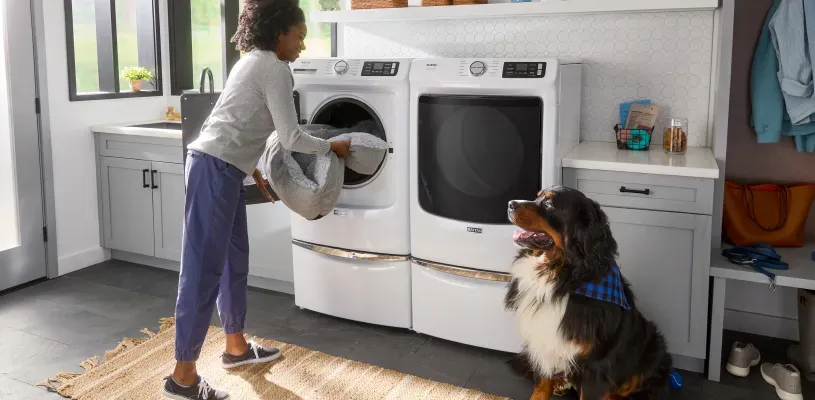
Find Durable Appliance Solutions at Standard TV & Appliance
Ready to upgrade or replace your appliances? Discover the latest high-quality, durable options designed for long-lasting performance at Standard TV & Appliance. From refrigerators to washers and dryers, we have everything you need to keep your home running smoothly. Explore the full range of cooking, refrigeration, laundry, and dishwasher appliances at Standard TV & Appliance to find durable options built to last.
Visit one of our store locations in Beaverton, Bend, Wilsonville, or Portland, Oregon or explore our collection online to discover the perfect appliance for your home. Our expert team is ready to help you compare models, understand features, and find the best fit for your appliance preferences and budget.
Related readings from our blog:
-
When to Repair or Replace Your Appliances: A Homeowner’s Guide
-
How To Choose The Right Washer & Dryer For Your Family's Needs
FAQs: How Long Should Your Appliances Last?
How long do kitchen appliances typically last?
Most kitchen appliances, including ranges, ovens, and cooktops, last 10-15 years, depending on use and maintenance.
Can I extend the life of my appliances?
Yes! Regular cleaning, proper usage, and professional maintenance can extend the lifespan of most appliances by several years.
Is it worth repairing an old appliance?
It depends on the cost of repairs versus replacement. Frequent repairs, poor performance, or outdated energy efficiency are signs it may be time to replace.
Which appliances last the longest?
Refrigerators and high-quality cooking appliances tend to have longer lifespans, often reaching 15-20 years with proper care.
Related Articles