
Design Tips for Seamlessly Integrating Appliances into Your Kitchen
Fri May 22 2026
- Kitchen Appliances
A modern kitchen is no longer just a place to cook. Today’s kitchens are designed to function as gathering spaces, entertainment hubs, and highly personalized extensions of the home. As kitchen design continues evolving, homeowners are increasingly looking for ways to seamlessly integrate appliances into their kitchens without sacrificing functionality or performance.
Integrated kitchen appliances help create a cleaner, more cohesive appearance while improving workflow and maximizing available space. From built-in refrigerators and wall ovens to panel-ready dishwashers and smart appliances, modern kitchen design focuses on balancing aesthetics with everyday usability.
Whether you are remodeling a kitchen in Portland, upgrading appliances in Beaverton, designing a luxury home in Bend, or renovating a space in Wilsonville, understanding how to integrate appliances properly can dramatically improve both the look and functionality of your kitchen.
Key Takeaways: Seamlessly Integrating Appliances Into Your Kitchen
-
Built-in and panel-ready appliances create a cleaner, more cohesive kitchen design.
-
Appliance placement should support workflow, convenience, and everyday cooking habits.
-
Matching appliance finishes help unify the overall kitchen aesthetic.
-
Smart appliances can improve convenience, energy efficiency, and long-term functionality.
-
Integrated kitchen appliances can help maximize space and improve resale appeal.
-
Homeowners increasingly prioritize luxury kitchen designs with seamless appliance integration.
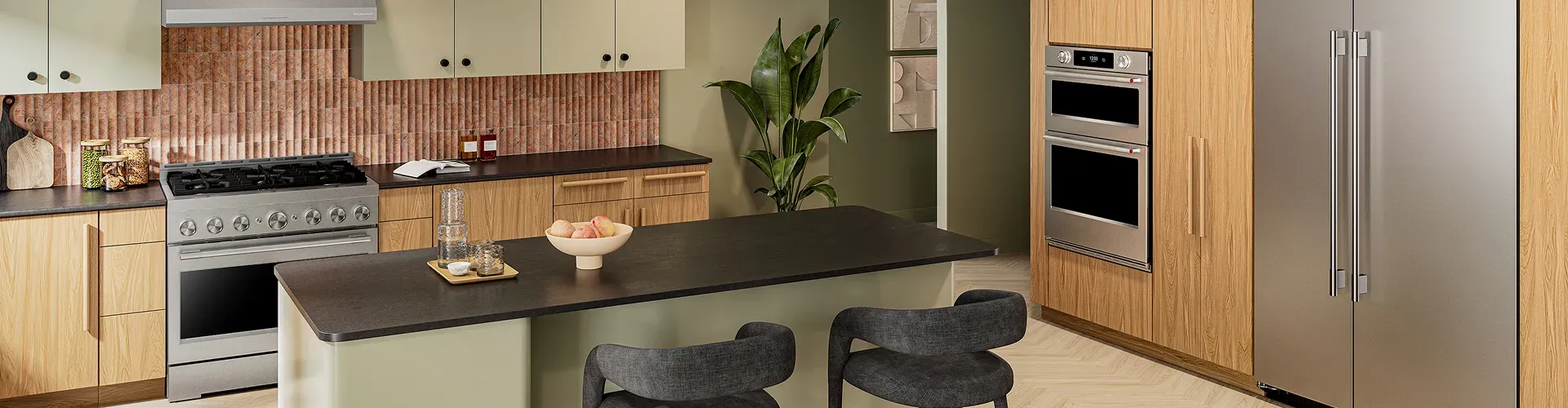
Why Appliance Integration Matters in Modern Kitchens
Kitchen design has evolved dramatically over the past decade. Instead of viewing appliances as separate utilitarian objects, homeowners now often see them as part of the kitchen’s overall architectural design.
This shift is especially noticeable in open-concept homes where kitchens remain visible from dining and living areas. Appliances that protrude awkwardly or interrupt cabinetry lines can make the entire space feel less cohesive.
Integrated appliances help solve this problem by creating smoother visual transitions throughout the kitchen. Flush installation, panel-ready designs, and coordinated finishes all contribute to a cleaner overall appearance.
However, appliance integration is not only about aesthetics. A thoughtfully integrated kitchen can also improve organization, increase efficiency, and create a more comfortable cooking environment.
Start With Kitchen Workflow and Layout Planning
One of the most important parts of seamless appliance integration happens before appliances are even selected.
Many homeowners make the mistake of choosing appliances first and trying to fit them into the kitchen later. In reality, successful kitchen integration starts with layout planning.
What Is the Best Way to Integrate Appliances Into a Kitchen?
The best way to integrate appliances into a kitchen is to plan the layout early, choose appliances that complement the kitchen design, prioritize workflow efficiency, and maintain consistent finishes throughout the space.
A functional kitchen should support the way homeowners actually use the room every day. That includes considering food preparation zones, cleanup areas, traffic flow, storage needs, and entertainment spaces.
For example, refrigerators should remain accessible to prep areas and grocery entry points, while dishwashers should sit close to sinks and dish storage. Cooking appliances should not interrupt major walkways or create congestion around gathering areas.
Careful appliance placement often makes the difference between a kitchen that simply looks attractive and one that feels intuitive to use.
Why the Kitchen Work Triangle Still Matters
Although kitchen design trends continue evolving, the traditional kitchen work triangle remains highly relevant.
The concept focuses on positioning the refrigerator, sink, and primary cooking surface within a comfortable distance of one another. This arrangement reduces unnecessary movement and supports more efficient cooking workflows.
Modern kitchens may include larger islands, secondary prep stations, and expanded entertaining areas, but the underlying principle still applies. Appliances should support natural movement patterns rather than forcing homeowners to constantly cross the kitchen during meal preparation.
Integrated kitchens feel more functional when appliance placement reflects real-world cooking habits rather than purely aesthetic decisions.
Built-In Appliances Create a Cleaner Kitchen Design
Built-in appliances remain one of the most effective ways to create a seamless kitchen appearance.
Unlike freestanding appliances, built-in models are designed to fit flush within cabinetry or wall structures. This creates smoother visual lines and reduces the bulky appearance that some standalone appliances create.
Built-in appliances are especially popular for:
Because these appliances integrate more naturally into cabinetry, they often help kitchens feel larger and more refined.
Why Homeowners Choose Built-In Appliances
Built-in appliances provide several practical and aesthetic benefits.
From a design perspective, flush installation creates cleaner sightlines and a more custom appearance. Appliances no longer dominate the room visually, allowing cabinetry, countertops, and architectural details to stand out more naturally.
From a functional perspective, built-in appliances can improve ergonomics and workflow. Wall ovens, for example, reduce bending, while integrated refrigeration systems often maximize surrounding storage opportunities.
Built-in appliances also tend to complement luxury kitchen designs more effectively because they create a polished, cohesive appearance throughout the space.
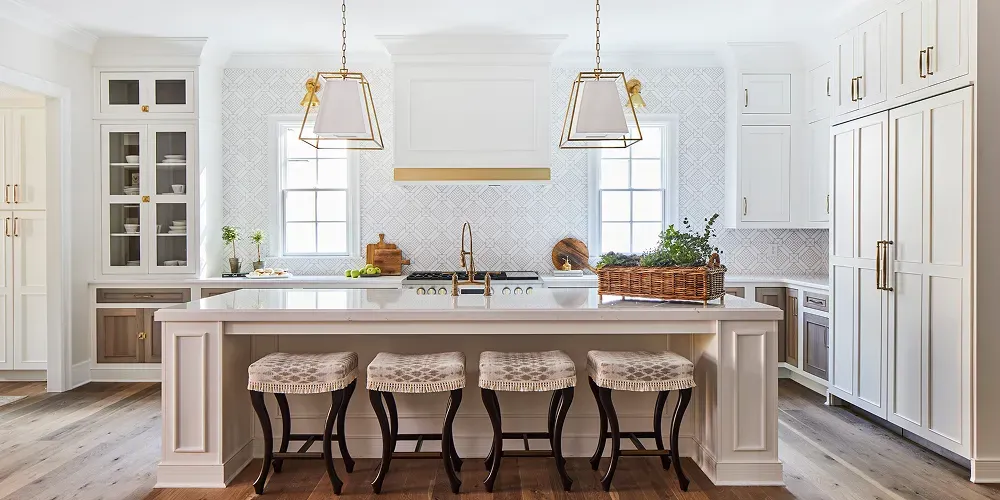
Panel-Ready Appliances and Hidden Kitchen Design
Panel-ready appliances take appliance integration even further.
These appliances allow homeowners to attach custom cabinetry panels directly to appliance fronts, helping refrigerators and dishwashers blend almost invisibly into surrounding cabinetry.
Panel-ready appliances have become increasingly popular in:
-
Contemporary kitchens
-
Transitional kitchen designs
-
Minimalist homes
-
Luxury remodels
The primary advantage of panel-ready design is continuity. Instead of appliances visually interrupting cabinetry lines, the kitchen maintains a smoother and more unified appearance.
Many homeowners especially appreciate this approach in open-concept layouts where kitchens remain highly visible from nearby living spaces.
Appliance Finishes and Kitchen Cohesion
Appliance finishes have a major impact on kitchen aesthetics.
Stainless steel remains one of the most popular appliance finishes because it pairs well with a wide variety of cabinet colors, countertop materials, and hardware styles. Stainless steel also tends to create a clean and professional appearance that works well in both traditional and modern kitchens.
However, many homeowners are now exploring alternative finishes including matte black, white glass, and custom metallic options.
The most important factor is consistency. Kitchens typically feel more cohesive when major appliances share a similar visual style and finish.
Mixing too many appliance styles can make the kitchen feel visually cluttered, especially in open layouts.
Smart Appliances and Connected Kitchen Technology
Integrated kitchen design increasingly includes smart appliance technology.
Smart appliances can improve convenience while also supporting energy efficiency and long-term functionality. Many modern appliances now include Wi-Fi connectivity, remote monitoring, maintenance alerts, and voice assistant compatibility.
Are Smart Appliances Worth It?
Yes, smart appliances can improve convenience, efficiency, and kitchen functionality. Many models allow homeowners to monitor appliances remotely, receive maintenance alerts, and automate cooking or cleaning tasks more easily.
Smart technology is especially useful in kitchens designed around multitasking and entertaining. Homeowners can preheat ovens remotely, monitor refrigerator performance, or receive dishwasher cycle notifications without remaining physically present in the kitchen.
As connected home ecosystems continue growing, integrated smart appliances are becoming a larger part of modern kitchen planning. You can learn more about smart appliances in our blog, The Future of Oregon Household Appliances: Smart Home Technology.
Ventilation Should Be Part of Appliance Integration Planning
One of the most overlooked aspects of kitchen integration is ventilation.
Many homeowners focus heavily on appliance appearance while underestimating the importance of effective airflow and ventilation design with range hoods.
A properly designed ventilation system helps:
-
Remove cooking odors
-
Reduce grease buildup
-
Improve indoor air quality
-
Protect cabinetry finishes
-
Reduce excess moisture
Modern kitchens increasingly use integrated ventilation systems that blend more naturally into cabinetry and ceiling structures.
Hidden hood inserts, downdraft systems, and custom ventilation covers can all help preserve clean kitchen sightlines while still providing strong airflow performance.
Why Accurate Measurements Matter
Seamless appliance integration depends heavily on precise measurements.
Even small sizing mistakes can disrupt cabinet alignment, create awkward visual gaps, or interfere with ventilation and door clearance.
Before selecting appliances, homeowners should carefully account for:
-
Cabinet dimensions
-
Countertop overhangs
-
Appliance depth
-
Door swing clearance
-
Walkway spacing
-
Plumbing and electrical access
Careful measurement planning becomes even more important with built-in and panel-ready appliances because these systems rely on precise installation tolerances.
Energy Efficiency and Long-Term Kitchen Planning
Energy efficiency continues to play a larger role in appliance purchasing decisions.
Modern integrated appliances are often designed to reduce water usage, improve energy performance, and support sustainable home design goals.
Many homeowners now prioritize features such as inverter compressors, load-sensing technology, ENERGY STAR® certification, and advanced insulation systems.
While aesthetics remain important, homeowners increasingly want kitchens that perform efficiently over the long term.
Luxury Kitchen Trends Across Oregon Homes
Homeowners throughout Portland, Beaverton, Bend, and Wilsonville are increasingly investing in kitchens designed around seamless appliance integration.
Some of the most popular kitchen trends include built-in refrigeration, oversized islands, integrated smart appliances, hidden storage solutions, and minimalist cabinetry designs.
As kitchens continue functioning as central gathering spaces within the home, appliance integration has become one of the defining elements of modern luxury kitchen design.
Rather than treating appliances as separate standalone components, homeowners now prioritize kitchens where functionality, technology, and aesthetics work together cohesively.
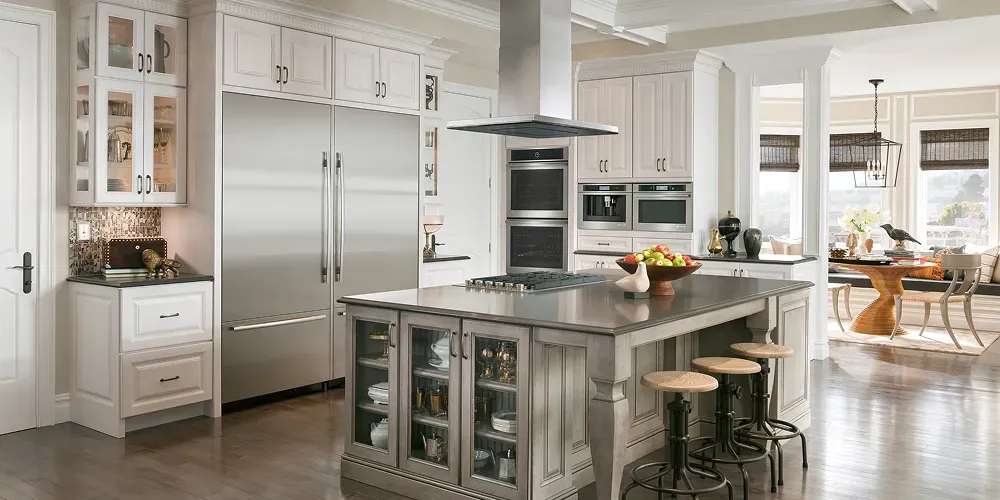
Explore Kitchen Appliances at Standard TV & Appliance
Seamlessly integrating appliances into your kitchen starts with choosing products that support both your design goals and your everyday lifestyle.
Whether you are planning a complete remodel or upgrading individual appliances, built-in designs, coordinated finishes, and smart appliance technology can help create a kitchen that feels more functional, organized, and visually refined.
At Standard TV & Appliance, homeowners throughout Oregon can explore premium kitchen appliances designed for modern kitchens, luxury remodels, and integrated living spaces.
Visit one of our appliance stores in Beaverton, Bend, Wilsonville, or Portland, Oregon to explore the latest products from top appliance brands and experience personalized, professional service.
Related readings from our blog:
FAQs: Design Tips for Seamlessly Integrating Appliances into Your Kitchen
What are integrated kitchen appliances?
Integrated kitchen appliances are appliances designed to blend seamlessly into cabinetry and overall kitchen design. Many built-in and panel-ready appliances fit flush with surrounding cabinets for a cleaner appearance. This design approach creates a more cohesive and modern kitchen aesthetic.
Are built-in appliances worth it?
Built-in appliances are often worth the investment for homeowners prioritizing kitchen aesthetics, space optimization, and long-term home appeal. They provide a more custom appearance and can improve kitchen workflow and ergonomics. Many homeowners also appreciate the luxury feel they bring to modern kitchens.
What is the difference between built-in and panel-ready appliances?
Built-in appliances fit flush within cabinetry, while panel-ready appliances are designed to accept custom cabinet panels that fully conceal the appliance front. Panel-ready appliances create an even more integrated appearance because they visually match surrounding cabinetry. Both options contribute to seamless kitchen design.
Do integrated appliances increase home value?
Integrated appliances can contribute positively to kitchen appeal and overall home value, especially in luxury or modern home designs. Buyers often appreciate cohesive kitchen aesthetics and high-end built-in appliance installations. While resale value varies by market, integrated kitchens are generally viewed as desirable features.
How do I choose appliances that match my kitchen design?
To create a cohesive kitchen design, focus on matching appliance finishes, maintaining consistent design styles, and planning appliance placement early in the remodeling process. Built-in and panel-ready appliances can help create cleaner visual lines. It is also important to balance aesthetics with practical functionality for daily use.
Related Articles