
What Makes an Appliance Energy Efficient?
Wed Mar 11 2026
When shopping for a new appliance, energy efficiency is one of the most important factors to consider. An energy-efficient appliance can help lower utility bills, reduce environmental impact, and improve overall performance in your home. But what actually makes an appliance energy efficient?
In this guide, we break down the key features, certifications, and technologies that define energy efficiency, so you can make a confident, informed decision.

What Makes An Appliance Energy Efficient
An appliance is considered energy efficient when it uses less electricity or water to perform the same task as a standard model.
Energy-efficient appliances are engineered to maximize performance while minimizing resource consumption, which translates into lower operating costs and a smaller environmental footprint.
Why Energy Efficiency Matters
With energy-efficient appliances, you get the results you expect without wasting resources.
Benefits of choosing energy-efficient appliances include:
-
Lower monthly energy and water bills.
-
Reduced environmental impact.
-
Improved long-term value.
-
Access to potential rebates and incentives.
Over time, these savings can add up significantly, especially when upgrading multiple appliances in your home.
ENERGY STAR Certified Appliances
One of the easiest ways to identify an energy-efficient appliance is to look for the ENERGY STAR certification.
ENERGY STAR Certified: Appliances with this label meet strict energy efficiency guidelines set by the U.S. Environmental Protection Agency. These models use less energy than standard models without sacrificing performance.
ENERGY STAR certified refrigerators, dishwashers, washers, dryers, and more are widely available and clearly labeled, making comparison shopping simple.
Key Features That Improve Energy Efficiency
Modern appliances are engineered with advanced features that reduce energy and water usage. Below are the most important elements to look for.
-
Inverter Technology: Inverter motors adjust power output to match demand rather than running at full speed continuously. This reduces energy consumption and helps extend the appliance's life.
-
High-Efficiency Motors: Advanced motor systems are designed to operate quietly while using less electricity.
-
Load Sensing Technology: Sensors detect the load size in washers and dishwashers and adjust water and energy usage accordingly.
-
Eco or Energy-Saving Modes: Specialized cycles are designed to reduce energy and water usage during lighter loads or less-intensive cleaning.
-
Improved Insulation: Enhanced insulation in refrigerators, ovens, and dishwashers helps maintain consistent temperatures with less energy.
-
LED Lighting: LED lighting in refrigerators and ovens uses less energy and lasts longer than traditional bulbs.
-
Efficient Water Filtration and Spray Systems: Dishwashers with advanced spray arms and filtration systems clean effectively while using less water.
Each of these features contributes to lower overall consumption without compromising performance.
Energy-Efficient Refrigerators
Refrigerators run continuously, which makes efficiency especially important. If you’re shopping for an energy-efficient refrigerator, look for these features:
-
Advanced Compressor Systems: Modern compressors regulate cooling more precisely to reduce wasted energy.
-
Dual Evaporators: Separate cooling systems for the refrigerator and freezer sections help maintain optimal humidity and temperature levels.
-
Smart Temperature Management: Sensors monitor internal conditions and automatically adjust to ensure consistent performance.
Choosing the right size refrigerator for your household is also critical. Oversized units may consume more energy than necessary.

Energy-Efficient Washers and Dryers
Laundry appliances have made major advancements in efficiency over the past decade. Some of the biggest features to look for in an energy-efficient washer or dryer include:
-
High-Efficiency Wash Systems: These washers use less water and extract more moisture during the spin cycle, reducing drying time.
-
Moisture Sensors in Dryers: Sensors detect when clothes are dry and automatically stop the cycle to prevent wasted energy.
-
Heat Pump Drying Technology: Some dryers recycle hot air rather than vent it, significantly reducing energy use.
A Wi-Fi-enabled washer and dryer can also let you monitor cycles remotely, helping you optimize usage times and settings.
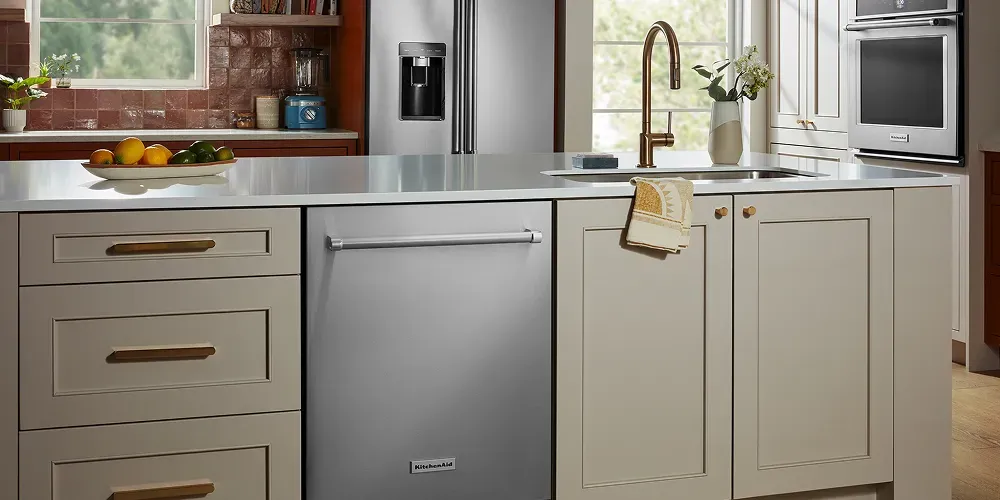
Energy-Efficient Dishwashers
Dishwashers are typically used every day, so they significantly impact your utility bills. Dishwashers today are more efficient than ever. If you’re ready to purchase a new, energy-efficient dishwasher, consider these things:
-
Soil Sensors: These sensors adjust the cycle length and water usage based on the level of soil in the dishes.
-
Efficient Wash Arms: Precision spray arms improve cleaning power while reducing water consumption.
-
Condensation Drying Systems: These systems use residual heat rather than an exposed heating element, reducing energy use.
Running full loads and using eco cycles can further improve efficiency.
Smart Technology and Energy Monitoring
Aside from ENERGY STAR ratings, smart appliances can also help reduce energy costs. Several features that are built into smart appliances help reduce energy consumption. Some of these unique features include the following.
-
Remote Monitoring: Allows you to track usage and adjust settings from your smartphone.
-
Energy Usage Reports: Some models provide insights into how much energy is being used. You can adjust your usage to optimize energy consumption based off of these findings.
-
Off-Peak Scheduling: You can schedule cycles during off peak utility hours when rates may be lower.
-
Adaptive Drying Sensors: Some dryers automatically adjust dry times based on moisture levels, stopping the cycle as soon as clothes are dry to prevent wasted energy.
-
Auto Soil Detection: Dishwashers monitor how dirty dishes are and adjust water usage and cycle length, and some models can even end the cycle early when dishes are clean.
-
Precision Cooking Controls: Some smart ovens allow you to set exact cooking times and temperatures easily, and many models automatically turn off when cooking is complete to avoid unnecessary energy use.
-
Power Management Systems: Some appliances reduce standby power consumption when not actively in use.
While smart features are not required for efficiency, they can help you maximize savings.
How to Compare Energy Use
When comparing appliances, review the yellow EnergyGuide label.
EnergyGuide Label: This label estimates yearly energy consumption and operating costs, allowing you to compare similar models easily.
Pay attention to the estimated annual operating cost rather than just the purchase price. A slightly higher upfront investment can result in long-term savings.
Shop Energy-Efficient Appliances at Standard TV & Appliance
Energy-efficient appliances are built with smarter technology, better engineering, and performance-driven design. By understanding certifications, key features, and how to compare models, you can confidently choose appliances that meet your household needs and fit your budget.
Visit one of our appliance store locations in Portland, OR, or contact us to explore your options. We offer a wide variety of kitchen and home appliances, including wall ovens, ranges, range hoods, refrigerators, cooking appliances, laundry appliances, and more. Visit us today or shop online!
Related readings from our blog:
-
Smart Refrigerators vs. Traditional: Should You Make the Switch?
-
Appliance Lifespan Guide: How Long Should Your Appliances Last?
FAQs: Common Questions About Energy-Efficient Appliances
Do energy-efficient appliances cost more upfront?
Energy-efficient appliances can sometimes have a higher initial price, but they often reduce monthly utility costs, which can offset the difference over time.
Are smart appliances always more energy efficient?
Not necessarily. Smart features can help optimize usage, but true efficiency depends on core engineering, insulation, motors, and sensor technology.
Does appliance size affect energy efficiency?
Yes. Choosing the correct size for your household prevents unnecessary energy consumption and improves overall efficiency.
Is it worth replacing older appliances for efficiency?
If your appliance is more than 10 to 15 years old, upgrading to a modern energy-efficient model can significantly reduce energy and water usage.