Choosing the Right Range Fuel for Your Cooking Style
Mon Feb 23 2026
- Kitchen Appliances
When it comes to selecting a new cooking range for your kitchen, choosing the appropriate fuel type is just as important as picking the right size or style. Range fuel directly impacts cooking performance, efficiency, precision, and how you approach everyday meals, from slow-simmered sauces to perfectly seared steaks.
In this guide, we’ll break down the key range fuel types, gas, electric, induction, and dual fuel, and explain how each fits different cooking styles and household needs. Whether you’re an avid home chef, a busy parent, or someone who entertains often, understanding range fuel options will help you choose with confidence.

Why Fuel Type Matters in Ranges
The fuel type of your range determines how heat is delivered, how easy it is to control cooking temperatures, and how your food ultimately turns out. Some fuels excel at precise temperature changes, others at even heating, and still others at high-power searing. Your choice should align with how you cook most often.
Range fuel affects:
-
Heating speed and responsiveness
-
Temperature precision and control
-
Energy efficiency and operating cost
-
Cooking style and food texture
-
Kitchen layout and installation needs
Choosing the right fuel for your cooking style means thinking about how you prepare food, whether you’re a reserved baker or someone who loves high-heat searing and big family meals.
Gas Ranges: Responsive, Traditional Flames
What Makes Gas Ranges Unique
Gas ranges continue to be a favorite among cooks who value immediate heat and responsive flame control. They use open flame burners powered by natural gas or propane, giving you very quick temperature changes and a cooking feel many chefs love.
Best For:
-
Live flame control: Instant response when adjusting heat
-
High-heat searing: Great for stir-frys, boiling, and pan sauces
-
Traditionalists: Cooks who like classic flame visuals and control
Advantages
-
Immediate temperature changes for quick control
-
Visible flame makes it easy to “feel” heat level
-
Excellent performance with a wide range of cookware sizes
Considerations
Gas cooking requires a gas line connection and potentially professional installation. It can also produce more ambient kitchen heat, which may be a factor in warm climates. If you enjoy hands-on cooking with a direct flame and fast heat changes, a gas range is worth considering.
Induction Ranges: Fast, Efficient, and Precise
What Makes Induction Ranges Stand Out
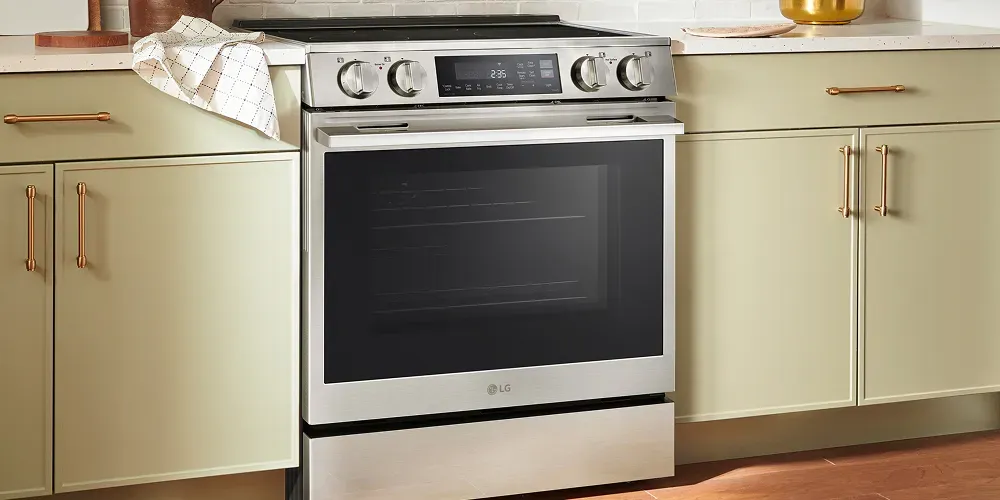
Induction ranges use electromagnetic fields to directly heat cookware, not the cooktop surface. That means heat transfers quickly and efficiently to your pot or pan. These are perfect for modern cooks who want speed, precision, energy efficiency, and safety in one package.
Best For:
-
Boiling water quickly
-
Simmering at low temperatures
-
Delicate sauces and precision cooking
-
Families with kids (cooler cooktop surface)
Advantages
-
Fastest heat response of any fuel type
-
Even heat distribution for consistent results
-
Energy-efficient cooking with less wasted heat
-
Safer surface temperature (cooler to the touch)
Considerations
Because induction technology heats cookware directly, it’s often more efficient and faster than traditional electric cooking. And for cooks who enjoy precision, from melting chocolate to simmering sauces, induction is a standout choice.
Dual Fuel Ranges: Best of Both Worlds
Why Choose Dual Fuel
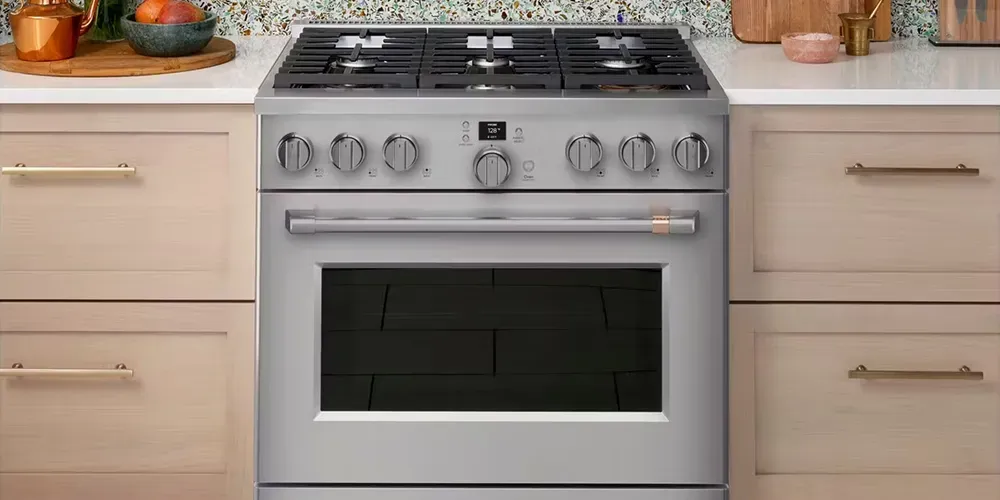
Dual fuel ranges combine a gas cooktop with an electric oven, offering responsive burner control with consistent baking performance. They’re designed for cooks who want the strengths of both gas and electric in a single appliance.
Best For:
-
Ambitious home chefs
-
Bakers who also love stovetop cooking
-
Homeowners seeking balance between searing and baking
Advantages
-
Gas burner responsiveness
-
Electric oven precision
-
Flexibility for any recipe style
Considerations
Dual fuel models often sit at a higher price point, but for many cooks, the performance payoff is worth it.
Which Range Fuel Is Right for You?
To decide which fuel type aligns best with your kitchen and cooking style, consider these questions:
-
Do you bake and roast often? Electric or dual fuel may be best.
-
Do you live for stir-fry or boiling? Gas and induction are great for instant heat.
-
Is energy efficiency a priority? Induction excels here.
-
Is safety and easy cleanup a must? Induction cooktops offer both.
-
Are you designing a chef-grade kitchen? Dual fuel gives versatile performance.
No matter your preference or skill level, there’s a fuel type that makes sense, and Standard TV & Appliance offers a range to match.
Smart Cooking Features to Consider
When choosing a range, regardless of fuel, keep an eye out for features like:
-
Convection ovens for even baking
-
Wi-Fi connectivity and smart controls
-
Self-cleaning functions
-
Bridge or SyncBurner modes for griddles and large cookware
-
VariBoost or induction power boost zones
These features enhance performance and make everyday cooking easier.
Find the Right Range Fuel for You at Standard TV & Appliance
Ready to upgrade your kitchen with a range that suits your cooking style? Explore a wide selection of gas, electric, induction, and dual fuel ranges at Standard TV & Appliance.
Explore our selection of home appliances, including options in refrigeration, cooking, laundry, and more, from top appliance brands at Standard TV & Appliance, and find the perfect fit for your home, personal needs, and lifestyle.
Visit one of our appliance stores in Beaverton, Bend, Wilsonville, or Portland, Oregon, and experience personalized home appliance shopping with insights from our appliance experts and professionals.
Related readings from our blog:
FAQs: Choosing the Right Range Fuel for Your Cooking Style
Are induction ranges really more energy efficient?
Yes, induction heats cookware directly, reducing wasted heat and often shortening cook times, which can save energy compared to traditional gas or electric cooking.
Do I need special cookware for induction?
Induction requires magnetic cookware (cast iron or magnetic stainless steel). A quick test with a fridge magnet will tell you if your cookware is compatible.
Can I switch fuel types during installation?
Some ranges allow conversion between liquid propane and natural gas, but switching between gas and electric or induction will require choosing a different model and appropriate electrical/gas connections.
What’s the biggest advantage of dual fuel?
Dual fuel ranges give you gas-style stovetop control with the precise, evenly distributed heat of electric ovens, ideal for cooks who want versatility.
Which range type cooks fastest?
Induction tops the list for speed, followed by gas; electric can be slightly slower to change temperatures.
Related Articles