
How Ranges, Cooktops, and Wall Ovens Work Together
Sat Jul 25 2026
- Kitchen Appliances
Designing a new kitchen or planning a remodel involves countless decisions, but few have a bigger impact on everyday functionality than your cooking appliance layout. One of the most common questions homeowners face is whether to choose a traditional range, a separate cooktop and wall oven combination, or some mix of both.
The answer depends on your cooking habits, kitchen size, entertaining needs, and overall design goals. While each appliance can function independently, the most effective kitchens are designed around how these appliances work together to create a smooth and efficient cooking workflow.
Whether you're building your dream kitchen or upgrading an existing space, understanding the relationship between ranges, cooktops, and wall ovens can help you create a kitchen that looks great and performs even better.
Key Takeaways: How Ranges, Cooktops, and Wall Ovens Work Together
-
Ranges combine a cooktop and oven into a single appliance, making them a popular all-in-one solution.
-
Separate cooktops and wall ovens offer greater design flexibility and ergonomic advantages.
-
Appliance placement plays a major role in kitchen workflow and efficiency.
-
A cooktop and wall oven combo can create multiple cooking zones for busy households and entertainers.
-
Built-in cooking appliances often provide a more customized and premium kitchen appearance.
-
The best kitchen cooking appliance layout depends on your cooking style, available space, and renovation goals.
Understanding the Difference Between a Range, Cooktop, and Wall Oven
Before deciding how these appliances should work together, it's important to understand the role each one plays in the kitchen.
What Is a Range?
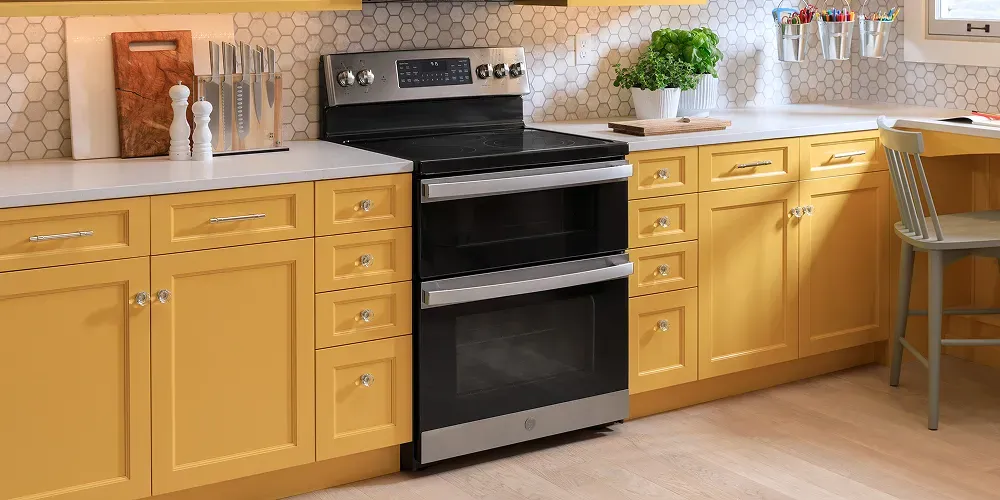
A range combines a cooktop and oven into a single appliance. It is typically installed between cabinets and serves as a complete cooking station.
Ranges remain one of the most popular choices because they:
-
Maximize space efficiency
-
Simplify installation
-
Offer excellent value
-
Work well in kitchens of all sizes
For many homeowners, a range provides everything needed for everyday cooking in a single footprint.
What Is a Cooktop?
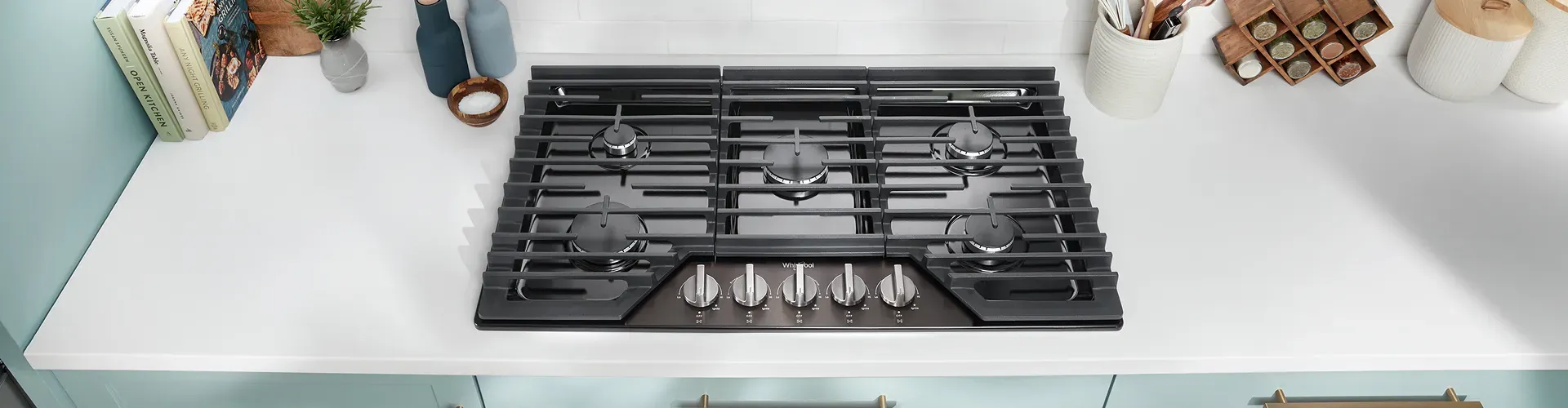
A cooktop is a built-in cooking surface installed directly into the countertop.
Unlike a range, a cooktop does not include an oven. Instead, it is paired with a separate wall oven elsewhere in the kitchen.
Cooktops offer:
-
Flexible placement options
-
More countertop design possibilities
-
Easier access to burners
-
A streamlined built-in appearance
They are particularly popular in custom kitchens and larger remodel projects.
What Is a Wall Oven?
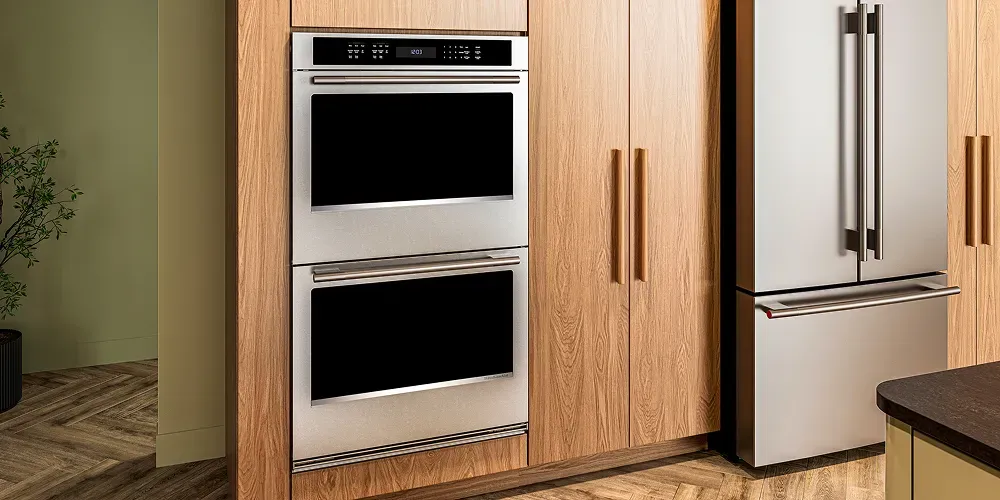
A wall oven is installed directly into cabinetry rather than beneath a cooktop.
Wall ovens are available in:
-
Single oven configurations
-
Double oven configurations
-
Combination oven setups
A single wall oven is an excellent option for homeowners who cook regularly but don't often prepare multiple dishes at different temperatures.
Single wall oven benefits include:
-
Takes up less cabinet space
-
Lower overall investment
-
Plenty of capacity for everyday meals
-
Works well in smaller kitchens
Single wall ovens are ideal for households that want the flexibility of a built-in appliance without sacrificing valuable storage space.
Double wall ovens provide two separate cooking cavities, allowing you to prepare multiple dishes simultaneously.
Advantages of double wall ovens include:
-
Cook at two different temperatures at once
-
Ideal for entertaining and holiday meals
-
Increased cooking capacity
-
Greater flexibility for baking and roasting
Because they are installed at a comfortable height, wall ovens reduce the need to bend down when loading or removing food. For large families or homeowners who frequently host gatherings, a double wall oven can make meal preparation significantly more efficient.
Why Kitchen Appliance Layout Matters
When homeowners think about cooking appliances, they often focus on features, finishes, or fuel types. However, layout may be even more important.
A well-designed kitchen layout can:
-
Improve meal preparation efficiency
-
Reduce unnecessary movement
-
Make entertaining easier
-
Support multiple cooks working together
-
Enhance overall kitchen functionality
The goal is not simply to choose great appliances. It's to arrange them in a way that supports how you actually cook.
This is where understanding appliance workflow becomes valuable.
What Is a Kitchen Appliance Workflow?
Kitchen appliance workflow refers to how easily you can move between tasks while preparing meals.
Think about a typical dinner preparation:
-
Remove ingredients from the refrigerator.
-
Prep ingredients on the countertop.
-
Cook food on the cooktop.
-
Bake or roast items in the oven.
-
Plate and serve the meal.
If appliances are poorly positioned, you'll spend more time walking around the kitchen than actually cooking.
A strong kitchen appliance workflow minimizes unnecessary movement and creates natural transitions between each stage of meal preparation.
How Appliance Placement Impacts Workflow
Simply choosing the right appliances isn't enough. Placement matters.
Some best practices include:
Keep Ovens Near Prep Areas
Placing a wall oven close to food preparation zones reduces unnecessary movement while cooking.
Avoid Traffic Bottlenecks
Cooking appliances should not block major walkways or refrigerator access points.
Consider Landing Space
Both cooktops and wall ovens should have nearby countertop space for hot cookware and ingredients.
Think About Multiple Users
If multiple family members cook together, creating separate work zones can dramatically improve functionality.
When a Range Makes the Most Sense
Despite the growing popularity of built-in cooking appliances, ranges continue to be the best solution for many homeowners.
Benefits of a Range Layout
A range creates a centralized cooking zone where the cooktop and oven work together in a single location.
Advantages include:
-
Lower installation costs
-
Simpler kitchen planning
-
Efficient use of space
-
Easy access between stovetop and oven
For smaller kitchens, condos, and many family homes, a range often provides the ideal balance of functionality and value.
Who Should Choose a Range?
A range may be the best option if you:
-
Have a smaller kitchen footprint
-
Want to maximize budget
-
Prefer a straightforward layout
-
Rarely need multiple ovens
Many homeowners find that a high-quality range meets all of their cooking needs without requiring a more complex appliance configuration.
Why More Homeowners Are Choosing a Cooktop and Wall Oven Combo
As kitchen remodels become increasingly design-focused, separate cooking appliances have grown in popularity.
The cooktop and wall oven combo offers flexibility that simply isn't possible with a traditional range.
Flexible Kitchen Design
Because the cooktop and oven are separated, designers can place each appliance where it works best.
For example:
-
A cooktop can be installed in a kitchen island.
-
A wall oven can be installed near food preparation areas.
-
Multiple cooking zones can be created throughout the kitchen.
This flexibility allows homeowners to customize the kitchen around their specific needs.
Better Ergonomics
One of the biggest advantages of wall oven placement is accessibility.
Instead of bending down to check on food, homeowners can install ovens closer to eye level.
Benefits include:
-
Easier monitoring of dishes
-
Reduced strain on the back
-
Safer removal of hot cookware
-
Improved convenience during meal preparation
For avid cooks and frequent entertainers, this can significantly improve the cooking experience.
Creating Multiple Cooking Zones
One reason luxury kitchens often feature separate cooktops and wall ovens is the ability to create multiple cooking stations.
For example:
-
One person can prepare food at the cooktop.
-
Another can manage baking or roasting in the wall oven.
-
Additional prep space remains available throughout the kitchen.
This becomes especially valuable during:
-
Holiday gatherings
-
Large family dinners
-
Meal prep sessions
-
Entertaining events
Rather than crowding around a single appliance, cooks can spread out and work more efficiently.
Popular Kitchen Cooking Appliance Layouts
The best kitchen cooking appliance layout depends on the size of your space, your cooking habits, and your renovation goals. Here are some of the most common configurations homeowners choose.
Traditional Range Layout
A range remains one of the most practical solutions for many kitchens.
Best for:
-
First-time homeowners
-
Smaller kitchens
-
Budget-conscious remodels
-
Everyday family cooking
Because the cooktop and oven are combined into one appliance, installation is typically simpler and more cost-effective.
Cooktop + Single Wall Oven
This layout offers a noticeable upgrade in flexibility while maintaining an efficient use of space.
Best for:
-
Medium-sized kitchens
-
Frequent home cooks
-
Open-concept layouts
-
Homeowners seeking a built-in appearance
Separating the cooktop from the oven also allows designers to optimize countertop space and improve overall kitchen flow.
Cooktop + Double Wall Oven
For serious home chefs, this configuration offers the greatest versatility.
Best for:
-
Large kitchens
-
Avid bakers
-
Families who entertain often
-
Luxury kitchen remodels
With separate ovens and a dedicated cooktop, multiple dishes can be prepared simultaneously without competing for oven space.
Built-In Cooking Appliances Create a Custom Kitchen
One of the biggest reasons homeowners choose separate cooking appliances is aesthetics.
Built-in cooking appliances create a seamless appearance that integrates beautifully with surrounding cabinetry and countertops. Because the appliances aren't limited to a single location, kitchen designers have much more freedom when planning the space.
Additional advantages include:
-
A more customized kitchen design
-
Cleaner, streamlined aesthetics
-
Improved resale appeal
-
Greater flexibility during renovations
-
Easier appliance accessibility
For homeowners investing in a long-term kitchen remodel, built-in appliances often provide both functional and visual benefits.
Common Kitchen Appliance Layout Mistakes to Avoid
Even premium appliances won't perform to their full potential if the kitchen layout isn't thoughtfully planned.
Here are several common mistakes to avoid.
Placing the Wall Oven Too Far From Prep Space
Removing hot dishes becomes much easier when there's nearby countertop space available. Always plan for a landing area adjacent to the oven whenever possible.
Ignoring Workflow
Avoid designing your kitchen around appearance alone. Your refrigerator, prep area, cooktop, and oven should work together in a logical sequence that minimizes unnecessary walking.
Forgetting Ventilation
Cooktops and ranges should always be paired with an appropriately sized ventilation solution. Proper ventilation helps remove smoke, grease, moisture, and cooking odors while improving indoor air quality.
Overlooking Electrical or Gas Requirements
Different cooking appliances require different utility connections. Planning these early in the remodeling process can prevent costly modifications later.
Not Planning for Future Needs
Consider how your cooking habits may change over time. Choosing a layout with room to grow can help your kitchen remain functional for years to come.
Which Cooking Appliance Setup Is Right for You?
There's no one-size-fits-all answer when comparing a range to a cooktop and wall oven combination. The best choice depends on how you cook, how often you entertain, and what you want your kitchen to accomplish.
Choose a Range If:
-
You want an all-in-one cooking appliance.
-
You're working within a tighter renovation budget.
-
Your kitchen has limited space.
-
You prefer a simple installation.
Choose a Cooktop and Wall Oven Combo If:
-
You're designing a custom kitchen.
-
You cook frequently or prepare elaborate meals.
-
You want greater flexibility in appliance placement.
-
You value ergonomic oven access.
-
You like the appearance of built-in cooking appliances.
Consider Double Wall Ovens If:
-
You regularly host holidays and family gatherings.
-
Multiple people cook in your kitchen at once.
-
You bake frequently.
-
You want maximum cooking flexibility.
Ultimately, your cooking appliances should complement both your kitchen layout and your lifestyle.
Explore Cooking Appliances at Standard TV & Appliance
Understanding how ranges, cooktops, and wall ovens work together is one of the most important parts of planning a functional kitchen. While a traditional range remains an excellent all-in-one solution for many households, separate built-in cooking appliances provide additional flexibility, improved ergonomics, and a more customized kitchen design.
By carefully considering your cooking habits, available space, and long-term goals, you can create a kitchen cooking appliance layout that not only looks beautiful but also makes meal preparation more enjoyable and efficient for years to come.
Whether you're replacing an existing appliance or designing your dream kitchen from the ground up, Standard TV & Appliance offers a wide selection of cooking appliances to suit every home and budget.
Our appliance specialists can help you compare fuel types, cooking technologies, and built-in configurations to find the right solution for your kitchen renovation.
Visit one of our appliance stores in Beaverton, Bend, Wilsonville, or Portland, Oregon, to explore premium appliances from top appliance brands and experience personalized appliance shopping service.
Related readings from our blog:
FAQs: How Ranges, Cooktops, and Wall Ovens Work Together
Is a cooktop and wall oven better than a range?
A cooktop and wall oven combination offers greater flexibility in kitchen design and allows each appliance to be placed where it's most convenient. Many homeowners appreciate the ergonomic benefits of a wall oven and the customized appearance of built-in appliances. However, a traditional range remains an excellent choice for smaller kitchens and homeowners looking for a more cost-effective, all-in-one solution. The best option depends on your available space, budget, and cooking preferences.
Where should a wall oven be placed?
Wall ovens are typically installed near food preparation areas so ingredients can move efficiently from the countertop into the oven. They should also have nearby landing space for safely placing hot cookware when removing dishes. Installing the oven at a comfortable height reduces bending and improves accessibility during everyday cooking. Proper placement helps create a smoother, more efficient kitchen workflow.
Can you install a cooktop over a wall oven?
Yes, some kitchen designs allow a cooktop to be installed above a wall oven, provided both appliances are specifically designed for that configuration and manufacturer installation requirements are followed. However, many homeowners prefer separating the cooktop and wall oven to maximize flexibility and improve workflow. Always consult installation specifications before planning your layout. Working with a qualified kitchen designer or installer can help ensure the appliances are properly configured.
Are built-in cooking appliances worth the investment?
For many homeowners, built-in cooking appliances are worth the investment because they offer greater design flexibility, improved ergonomics, and a more customized appearance. Separating the cooktop and oven can also create a more efficient kitchen workflow, especially for households that cook frequently or entertain guests. While the upfront cost is often higher than purchasing a traditional range, many homeowners find the long-term functionality and aesthetic appeal justify the investment. Built-in appliances can also contribute to a more premium-feeling kitchen remodel.
Related Articles